
"coffee rust in Asia"
500 article(s) found

Chinese Arabica coffee beans Yunnan small grain coffee output Chinese coffee beans price
Professional baristas Please follow the Coffee Workshop (Wechat official account cafe_style) over the past 10 years, the output of Yunnan small-grain coffee has been growing steadily, the quality stability has been continuously improved, and has begun to be recognized by global roasters. Colombian coffee bean production has recently declined due to leaf rust, which has boosted China's coffee bean exports. Volcafe, a well-known multinational coffee trader in Yunnan

Introduction of three Primary Coffee Systems is Robusta Coffee beans really chewy
Professional coffee knowledge exchange more coffee bean information please follow the coffee workshop (Wechat official account cafe_style) front street-three major coffee bean varieties there are about 40 species of coffee, but can produce commercial value coffee beans only Arabica species, Robusta species, Liberia species, these three are called the three major native species of coffee. Coffee grown in Arabica accounts for 75%.
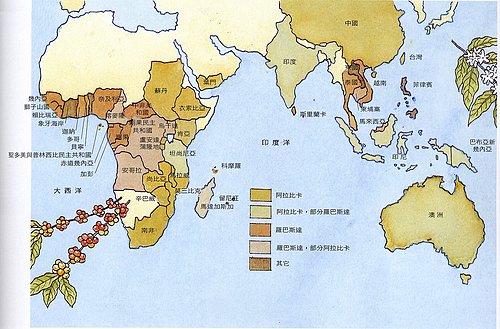
The basic knowledge of Coffee beans the three native species of coffee Robsta species Arabica species Libby
Basic knowledge of coffee beans (1) Coffee belongs to the evergreen shrub of the genus Rubiaceae, which is centered in the tropics. There are about 6000 species of Rubiaceae belonging to 500 genera. Coffee has always been thought to have certain effects, such as strengthening the stomach, waking up the brain, stopping bleeding, dissipating heat, strengthening the body, and so on. The more famous Rubiaceae plant is Gardenia jasminoides, whose fruit was dried and used as medicine a long time ago.

The basic knowledge of coffee beans the origin of coffee coffee practice
The origin of Arabica species is the Abyssinia Plateau of Ethiopia (now the Ethiopian Plateau). In the early days, it was mainly eaten as medicine (Islamic couples used it as a secret medicine to cure body and mind or to awaken the brain). It developed the habit of baking and drinking in the 13th century and was introduced into Europe through the Arab region in the 16th century. It has become a favorite drink all over the world.

Commercial automatic semi-automatic coffee machine chicken wing wood thread powder hammer filler stainless steel powder press
Product name: chicken wing wood stainless steel thread powder press specification: 7.5mm, high 95mm origin: China weight: 350g what is chicken wing wood? Chicken wing wood: distributed in the subtropical regions of the world, mainly produced in Southeast Asia and South America, named because of the texture similar to chicken wings. The texture is crisscross, clear, the color is abrupt, belongs to the more beautiful wood in the mahogany, has the slight aroma, the growth ring
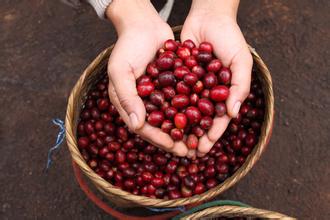
Coffee rookie entry-level learning coffee lesson 1 basic knowledge of coffee introduction to coffee varieties
Coffee belongs to the evergreen shrub of the genus Rubiaceae, which is centered in the tropics. There are about 6000 species of Rubiaceae belonging to 500 genera. Coffee has always been thought to have certain effects, such as strengthening the stomach, waking up the brain, stopping bleeding, dissipating heat, strengthening the body, and so on. The more famous Rubiaceae plant is Gardenia jasminoides, whose fruit was dried and used as medicinal material a long time ago. The three native species of coffee
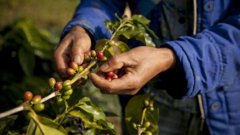
The output and quality of Yunnan small grain coffee are growing simultaneously, attracting international buyers.
Professional baristas Please follow the Coffee Workshop (Wechat official account cafe_style) over the past 10 years, the output of Yunnan small-grain coffee has been growing steadily, the quality stability has been continuously improved, and has begun to be recognized by global roasters. Colombian coffee bean production has recently declined due to leaf rust, which has boosted China's coffee bean exports. Volcafe, a well-known multinational coffee trader, set up in Yunnan.

Java-Arabica coffee Java boutique coffee beans Java coffee unique flavor Java coffee
Among the Asian coffee-producing countries, Indonesia is a very noteworthy one. Indonesia is an island country in the Indian Ocean, the islands are distributed on both sides of the equatorial line, of which three islands: Java, Sumatra and Sulawesi produce the most important coffee in the world. In the mid-17th century, the Dutch brought coffee trees to Ceylon (now known as Sri Lanka) and Java in Indonesia. The 18th century

Details of coffee varieties and relationships between coffee species
Professional barista exchanges, please pay attention to coffee workshop (Weixin Official Accounts cafe_style ) Acai: rare Mundo Novo mutation mainly found in Brazil. Anacafe 14: Spontaneous Catimor-Pacamara hybrid further developed and released by Anacafe in 2014. This variety is considered rust resistant and has high cup quality yield. Andong Sari: I'm sorry

Katim single bean coffee bean planting history planting area distribution flavor description variety
Professional barista exchange please pay attention to the coffee workshop (Wechat official account cafe_style) Katim (Catimor Katim) in order to improve the bad reviews of the poor test of the Kadim (Catimor Katim) cup, in recent years botanists from various countries have turned back to Alabica and Katim interbreeding for many generations, trying to reduce the Robusta pedigree while improving Arabica's
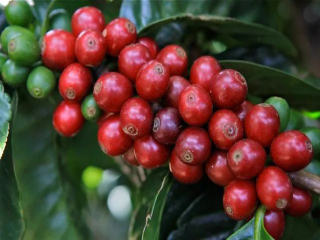
Liberica Coffee Bean knowledge: the characteristics of Liberian Coffee beans of the three original species of Coffee beans
Professional coffee knowledge exchange more coffee bean information please follow the coffee workshop (Wechat official account cafe_style) Liberica coffee, also known as big fruit coffee, some people mistakenly call Libyan coffee. It has a shorter cultivation history than the other two coffee trees, and the Liberian coffee tree is suitable for it.

The best coffee in Indonesia Java coffee boutique coffee introduces the latest news
Among the Asian coffee-producing countries, Indonesia is a very noteworthy one. Indonesia is an island country in the Indian Ocean, the islands are distributed on both sides of the equatorial line, of which three islands: Java, Sumatra and Sulawesi produce the world's important coffee. In the mid-17th century, the Dutch brought coffee trees to Ceylon (Sri Lanka) and Java, Indonesia. India in the 18th century

Katim Coffee Flavor description Variety planting Development History Story introduction to Variety allusions in producing areas
For the exchange of professional baristas, please follow the coffee workshop (Wechat official account cafe_style) Catimor (Catimor): an important variety of commercial beans at present. East Timor was colonized by Portugal for 400 years, and the Portuguese had long been in contact with East Timorese coffee trees. In 1959, the Portuguese moved the Brazilian bourbon mutant Kadura to the east.

[Katim] the planting history of the variety? Are Yunnan Katim coffee beans delicious? What are the advantages and disadvantages?
Professional coffee knowledge exchange more coffee bean information please follow the coffee workshop (Wechat official account cafe_style) [Katim] the planting history of varieties? Are Yunnan Katim coffee beans delicious? What are the advantages and disadvantages? How to cook it? Most of the plants in Yunnan are now Katim, which is the bourbon branch of the Arabica species, Kaddura and Robusta.

Coffee basics Arabica Coffee Tree
One of the most important coffee trees in the world. Arabica species (scientific name Coffee Arabica). The origin of Arabica species is Ethiopia's Abyssinia Plateau (present-day Ethiopian Plateau). In the early days, it was mainly used as medicine, and the habit of baking and drinking was developed in the 13th century. it was introduced into Europe through the Arab world in the 16th century.

Indonesia Manning Coffee latest Coffee introduction and Information
Manning coffee is produced in Sumatra, Indonesia, Asia, also known as Sumatran coffee. Her flavor is very rich, fragrant, bitter, mellow, with a little sweetness. Most coffee lovers drink on their own, but it is also an indispensable variety for blending coffee. The palate is rich and solid, with a pleasant sour taste. The smell is mellow, the acidity is moderate, the sweetness is rich and very pleasant.

Indonesian Coffee Asian Coffee
Asian coffee is more full-bodied than Central and South American and African beans, but less sour, with a hint of heavy wood, herbs, spices and earth, and a deep, smoky aroma over an elevated acid aroma. At the end of the seventeenth century, the Dutch East India Company transplanted the Arabica tree (tibica) from India to Jakarta, Java. Due to the favorable climate and soil conditions, Arabica soon spread to Sumatra on Java Island.

What is the East Timorese coffee variety hibrido de Timor? Characteristics of coffee cultivation in East Timor
Professional coffee knowledge exchange more coffee bean information please follow the coffee workshop (Wechat official account cafe_style) in East Timor, a country based on agriculture, the coffee bean growing industry has always existed, but because of years of war, the people generally have a low level of education, lack of agricultural technology, and do not know how to distinguish between good and bad coffee beans, and the selling price is naturally not high.
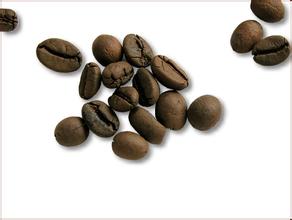
The latest introduction of Java coffee boutique coffee beans
Among the Asian coffee-producing countries, Indonesia is a very noteworthy one. Indonesia is an island country in the Indian Ocean, the islands are distributed on both sides of the equatorial line, of which three islands: Java, Sumatra and Sulawesi produce the world's important coffee. In the mid-17th century, the Dutch brought coffee trees to Ceylon (Sri Lanka) and Java, Indonesia. India in the 18th century

Share the story of Huang Wei, a famous Chinese coffee roaster.
As an imported product from the West, it is not easy for coffee to give birth to a coffee master in China. Our protagonist today is Huang Wei, who learned cocoa processing technology and coffee roasting equipment and production technology during his participation in the construction of a cocoa processing plant assisted by China in Ghana in Africa. After returning to China in 2001, due to work related to Chinese coffee growers in Yunnan, and so on.